Why Fridge Cleaning Is Essential (and How to Do It Well)
Why regular fridge cleaning matters for food safety, freshness and running costs, plus a simple routine for Manchester homes, rentals and Airbnbs.
By Cleaniq Services Team ·
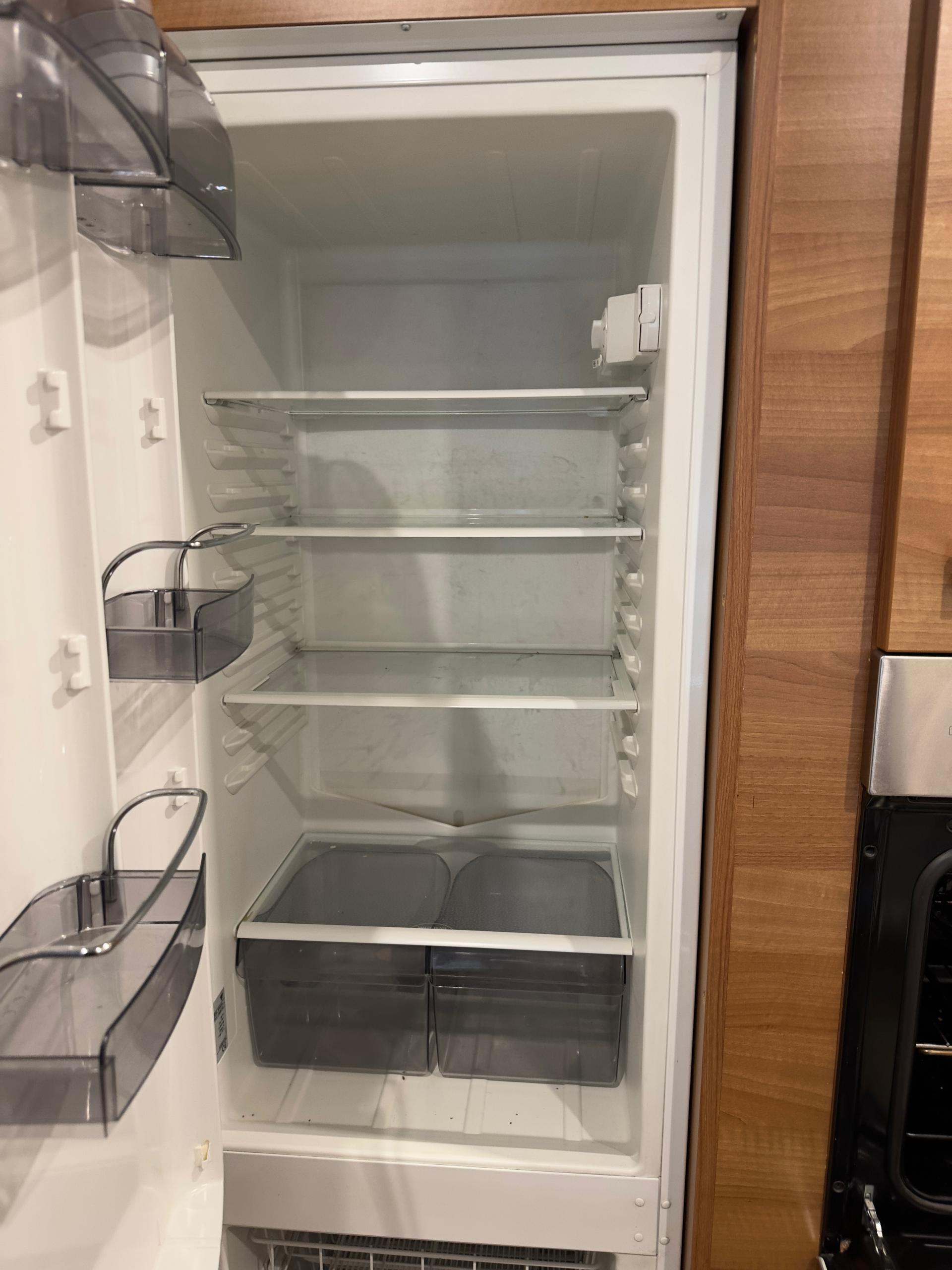
The fridge is probably the hardest-working appliance in your kitchen. It runs day and night, holds the food your household eats every day, and gets opened dozens of times. Yet it is often the last thing on the cleaning list. A quick wipe of a sticky shelf here and there is common, but a proper clean happens far less often than it should.
If you are a homeowner, tenant, landlord or Airbnb host in Greater Manchester, here is why fridge cleaning deserves a regular slot in your routine, and how to make it quick and painless.
It protects your food and your health
Cold temperatures slow bacteria down, but they do not stop them completely. Some bacteria, such as listeria, can still grow at fridge temperatures. Spills from raw meat, leaking packaging, dripping vegetables and forgotten leftovers all leave residue where germs can build up and spread to other food.
Cross-contamination is the main worry. A small drip of juice from raw chicken on a shelf can easily reach salad, cheese or anything else that will not be cooked before eating. Regular cleaning, combined with good storage habits, makes this much less likely.
A few storage habits that help:
- Keep raw meat and fish sealed and on the bottom shelf so nothing drips onto other food.
- Store ready-to-eat foods, such as cooked meats and leftovers, on the upper shelves.
- Cover leftovers and eat them within a couple of days.
- Keep your fridge at 5°C or below, and check it with a fridge thermometer if you are unsure.
It stops bad smells before they start
Most fridge odours come from something going off: a forgotten tub at the back, mouldy fruit in the salad drawer, or old spills that have dried into corners and door shelves. Air fresheners and bicarbonate of soda can mask smells for a while, but they do not remove the cause.
A proper clean removes the source. Once the fridge is fresh, strong-smelling foods are also less likely to taint everything else, so your butter stops tasting of last night's curry.
Your food lasts longer
A cluttered, dirty fridge often means wasted food. When shelves are crammed and drawers are full of old produce, it is easy to lose track of what you have. Mould spores from one spoiled item can also speed up spoilage in others nearby.
Clearing out and cleaning regularly gives you a chance to check use-by dates, throw away anything past its best and see what needs eating first. Many people find they waste less and shop more sensibly once the fridge is organised.
It helps the fridge run efficiently
A few parts of the fridge affect how well it works, and they are easy to overlook:
- Door seals: rubber seals collect crumbs, sticky residue and mould. If they do not close properly, cold air escapes and the fridge has to work harder.
- Condenser coils: on many models these sit at the back or underneath. Dust build-up can make the fridge less efficient. Check your manual before cleaning them, and unplug the fridge first.
- Drain hole and drip tray: the small drain at the back of the fridge can block, leading to water pooling at the bottom. A gentle clean with a cotton bud or pipe cleaner usually sorts it.
Keeping these clean can help your fridge run more smoothly and may help it last longer.
It matters when you move out or welcome guests
For tenants, the fridge is one of the first things a landlord or letting agent checks at the end of a tenancy. Leftover food, sticky shelves or a mouldy seal can count against you on the check-out report. If you are preparing to move, our end of tenancy cleaning covers the kitchen thoroughly, so it is worth asking about the fridge when you book.
For Airbnb hosts, a clean, empty, fresh-smelling fridge is part of a good first impression. Guests notice quickly if the previous visitor's milk is still on the door shelf. Including the fridge in your turnover checklist, or in your Airbnb cleaning routine, helps keep reviews positive.
A simple fridge cleaning routine
You do not need special products to clean a fridge well. Warm water with a little washing-up liquid works for most jobs, and a mix of water and bicarbonate of soda is handy for stubborn marks and smells. Avoid harsh chemicals on surfaces that touch food.
Weekly, take five minutes to:
- Remove anything out of date or going off.
- Wipe up any spills as soon as you spot them.
- Give the door handle a quick clean, as it is touched constantly.
Every month or two, do a fuller clean:
- Switch the fridge off or turn it to its warmest setting, and move food into a cool bag.
- Take out removable shelves and drawers. Let glass shelves reach room temperature before washing, as very cold glass can crack in hot water.
- Wash shelves and drawers in warm soapy water, rinse and dry thoroughly.
- Wipe the inside walls, ceiling and floor of the fridge, paying attention to corners and the drain hole.
- Clean the door seals with a soft cloth or old toothbrush, then dry them.
- Wipe the outside, including the top and handle.
- Put everything back, checking dates as you go, and switch the fridge back on.
A couple of times a year, check the condenser coils and drip tray if your model allows easy access, and defrost the freezer compartment if ice is building up.
When to call in help
Sometimes a fridge is beyond a quick wipe, for example after a long holiday with a power cut, when moving into a new home, or in a rental between tenants. In these situations, or if you simply want the whole kitchen brought back to a high standard, a deep cleaning service can take the job off your hands. Our vetted cleaners use eco-friendly products, and every clean is backed by our 48-hour re-clean guarantee.
Need a hand with your kitchen?
A clean fridge keeps food safer, fresher and better value, and it only takes a little regular effort. If you would rather leave it to the professionals as part of a wider clean anywhere in Manchester or Greater Manchester, get a free quote and let us know what you need.